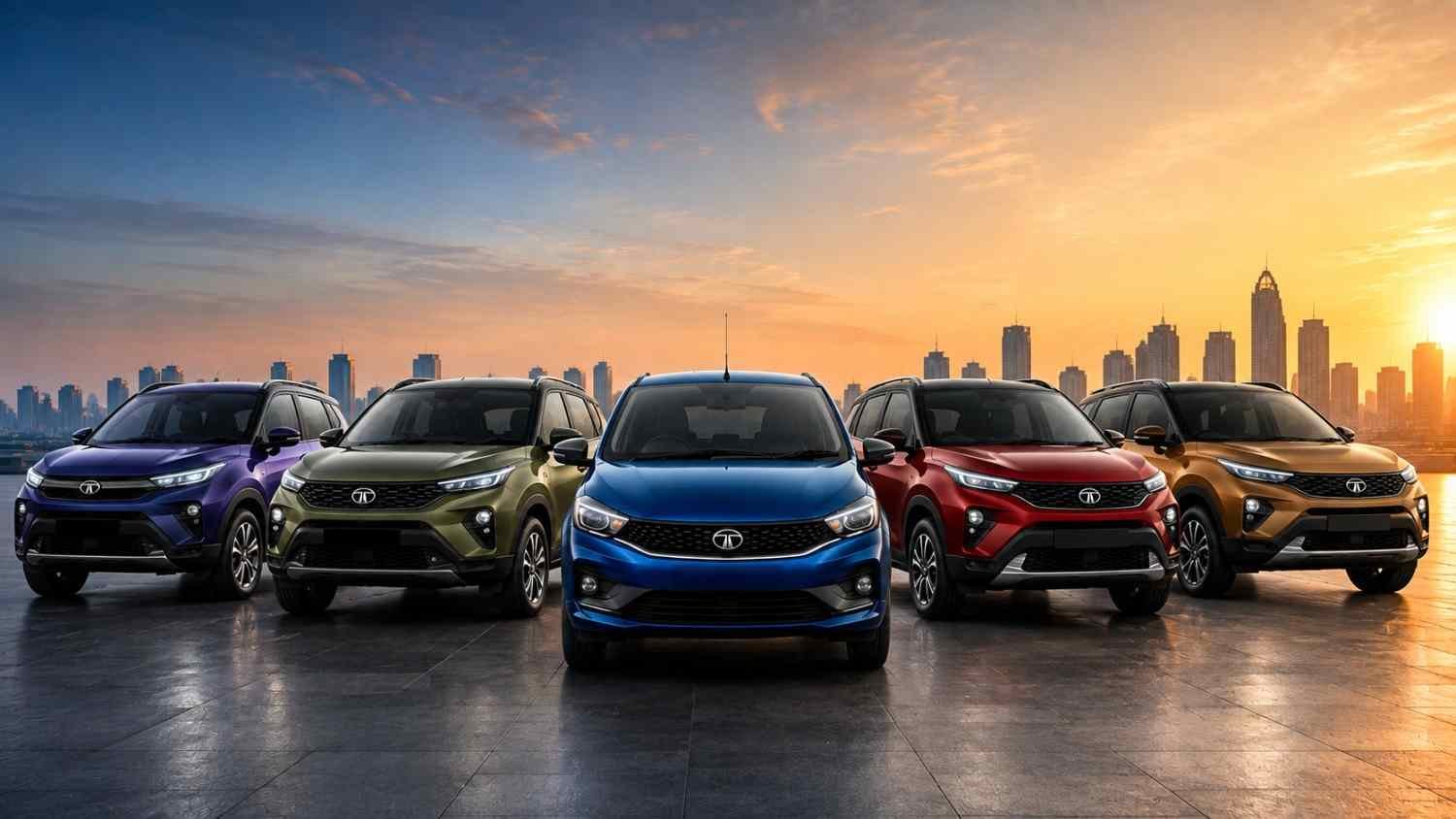
Car buyers in India should be prepared to pay more from September 1, 2026. Tata Motors Passenger Vehicles has announced a fresh price hike of up to ₹25,000 across its passenger vehicle range. The increase will affect both petrol and diesel models as well as electric vehicles, with the exact amount depending on the model and variant.
The announcement comes at a time when several carmakers are dealing with higher input costs and inflationary pressure. For customers planning to purchase a new car during the upcoming festive season, the latest price revision could make the buying decision a little more expensive.
Tata Cars to Become Costlier From September 1
- Tata Motors Passenger Vehicles will revise prices across its portfolio from September 1, 2026. The company has confirmed that the maximum increase will be up to ₹25,000.
- However, it is important to understand that this does not mean every Tata car will become ₹25,000 more expensive. The company will apply different price increases depending on the model and variant. Tata Motors has not yet provided a complete variant-wise breakdown of the September hike.
- The price revision will cover both internal combustion engine (ICE) vehicles and electric vehicles (EVs). This means buyers looking at Tata’s petrol, diesel or electric models could see a higher ex-showroom price once the new prices take effect.
Which Tata Cars Will Be Affected?
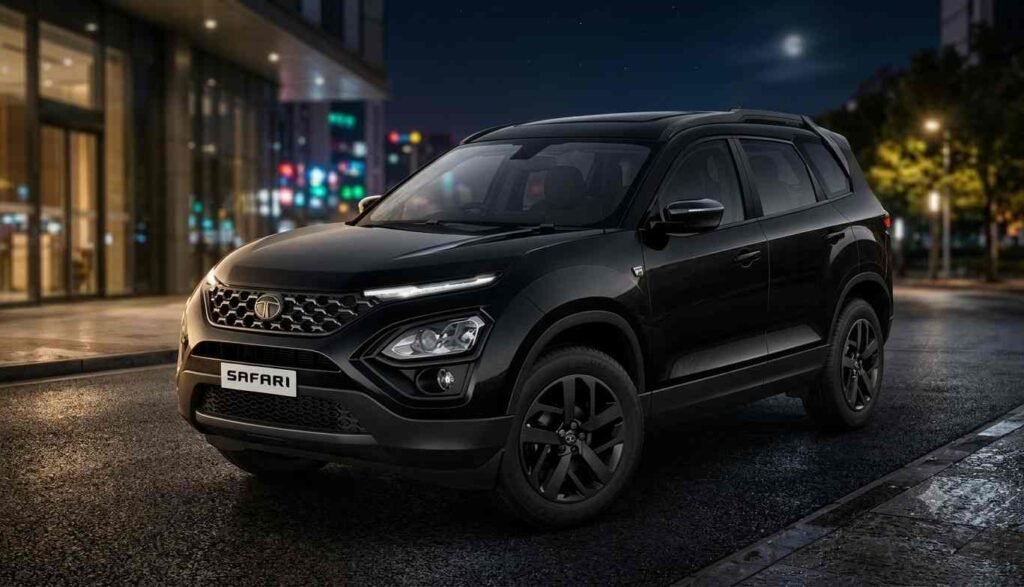
- The September price hike is expected to cover Tata Motors’ entire passenger vehicle lineup in India. This includes popular models such as the Tiago, Tigor, Altroz, Punch, Nexon, Curvv, Sierra, Harrier and Safari.
- Electric versions of several models will also be covered by the revision, including the Tiago EV, Tigor EV, Punch EV, Nexon EV, Curvv EV, Sierra EV and Harrier EV.
- The actual increase will vary according to the vehicle and variant. Therefore, buyers should not assume that the maximum ₹25,000 hike will apply to their preferred car.
Why Is Tata Motors Increasing Car Prices?
- According to Tata Motors, the latest price revision is being introduced to partially offset higher input costs and sustained inflationary pressures.
- Car manufacturers use a large number of raw materials and components to produce vehicles. When the cost of these materials, components, transportation and other inputs increases, automakers face additional pressure on their margins.
- Tata Motors has said that it continues to absorb a significant portion of these increased costs. However, part of the additional burden is now being passed on to customers through the latest price adjustment.
- For buyers, this means the final cost of purchasing a new car could rise even if the increase in the ex-showroom price appears relatively small.
This Is Tata’s Third Price Hike in 2026
- The upcoming September price revision is not Tata Motors’ first price increase this year. It will be the third price revision announced by the company’s passenger vehicle business in 2026.
- Tata Motors increased prices of its ICE vehicles by an average of 0.5% from April 1. The company later implemented another portfolio-wide increase of around 1.5% from July 1.
- Now, the automaker has announced another hike of up to ₹25,000 from September 1.
- The repeated revisions highlight the pressure being faced by car manufacturers as operating and input costs remain elevated.
Tata Motors Is Not the Only Automaker Raising Prices
- The latest Tata price hike comes amid a broader trend in India’s passenger vehicle market.
- Maruti Suzuki had announced a price increase of up to ₹30,000 across its portfolio from August 2026. Hyundai Motor India has also announced a price hike of up to 1% from September.
- This means buyers are facing price increases from multiple major manufacturers around the same period.
- For customers who have already planned their purchase, these revisions could make timing particularly important. A buyer who completes the purchase before the revised prices come into effect may potentially avoid the new ex-showroom increase, subject to the manufacturer’s pricing and dealership terms.
What Does the Price Hike Mean for Buyers?
- At first glance, a maximum increase of ₹25,000 may not seem very large compared with the overall price of a car. However, the impact can become more noticeable when other costs are added.
- A higher ex-showroom price can affect the on-road price because registration charges, insurance and other expenses may be calculated based on the vehicle’s revised price.
- For example, if a particular variant receives a ₹20,000 increase, the buyer will not necessarily see only a ₹20,000 difference in the final on-road price. Depending on applicable taxes, insurance and registration costs, the overall difference could be somewhat higher.
- This is why customers planning to buy a Tata car should check the latest quotation carefully before making a final decision.
Should You Buy a Tata Car Before September 1?
- If you have already decided on a Tata car and are close to completing the purchase, it may be worth discussing the current price and available offers with the dealership before September 1.
- However, buyers should not rush into a purchase solely because of the announcement. Discounts, exchange benefits, financing offers and dealer-level schemes can also influence the final price.
- Tata Motors has offered various benefits on selected models at different times, so buyers should compare the effective purchase cost rather than looking only at the ex-showroom price.
- It is also important to confirm with the dealer whether the quoted price will remain applicable based on the booking, invoicing and delivery schedule.
Festive Season Buyers May Feel the Impact
- The September price revision comes just before India’s important festive buying period. Many customers traditionally plan to purchase cars around festivals because manufacturers and dealerships often introduce special offers during this period.
- The combination of higher vehicle prices and festive discounts could make the final deal difficult to predict. Some buyers may receive attractive discounts that partly offset the price increase, while others may have to pay a higher amount depending on the model and variant.
- For this reason, comparing multiple dealers and checking the latest offers can be useful before booking a vehicle.
Final Word
- Tata Motors’ latest car price hike is set to take effect from September 1, 2026, with prices increasing by up to ₹25,000 across its passenger vehicle portfolio. The revision will cover both ICE and electric models, while the exact increase will differ from one model and variant to another.
- With Tata, Maruti Suzuki and Hyundai all revising prices around this period, new-car buyers should keep a close eye on updated price lists and dealership offers. If you are planning to purchase a Tata car soon, checking the current quotation before September 1 could help you understand exactly how the new pricing may affect your budget.
Frequently Asked Questions
1. When will Tata Motors increase car prices?
Tata Motors will implement its latest passenger vehicle price revision from September 1, 2026.
2. How much will Tata car prices increase?
The prices will increase by up to ₹25,000, depending on the model and variant. It is not a flat ₹25,000 increase for every Tata car.
3. Will Tata electric cars also become expensive?
Yes. The September price revision will cover both internal combustion engine vehicles and electric vehicles.
4. Which Tata cars are affected by the price hike?
The revision covers Tata’s passenger vehicle portfolio, including models such as Tiago, Tigor, Altroz, Punch, Nexon, Curvv, Sierra, Harrier and Safari, along with applicable electric versions.
5. Why is Tata Motors increasing car prices?
Tata Motors has cited rising input costs and sustained inflationary pressures as the main reasons for the latest price revision.
Also Read:
- Bajaj’s New Adventure Bike Is Coming Soon: Expected Price, Engine and Power Revealed
- Tata Motors Hikes Car Prices Again After Maruti and Hyundai: Check New Prices and Effective Date
- Honda Activa 110 Standard, DLX or Smart? Here’s the Best Variant for Your Money
- TVS has taken a giant leap! It has overtaken Honda to become the country’s largest scooter company.
- Bajaj Pulsar 150 and Pulsar 125 Get a Big Update for the 25th Anniversary
- New KTM 390 Adventure Unveiled With Fresh Graphics Price, Specs and Features
- Honda Activa 110cc: 59 kmpl Mileage and ₹76,000 Starting Price Is It the Best Daily Scooter?

Hello, I’m Pawan Chimurkar, an automotive writer and contributor at GrandValueWith.com. I have over six years of experience in article writing, covering cars, motorcycles, scooters, electric vehicles, and the latest developments in the automotive industry.
I focus on explaining automotive information in simple, clear, and easy-to-understand language. My aim is to help readers understand vehicle prices, specifications, features, launches, and other important details so they can make informed decisions.